How a Biocide Treatment Keeps Your Roof Cleaner for Longer
You get your roof cleaned, it looks great, and then within a year the green is creeping back. It's a frustrating cycle, and it's exactly what happens when a roof is scraped clean but nothing is done to stop the moss returning.
That's where a biocide treatment comes in. If you want your Hereford roof to stay clean for years rather than months, understanding what this treatment does and why it matters is worth a few minutes of your time, because it's the part that makes the whole job last.
The quick answer: A biocide treatment is a solution applied after cleaning that kills the moss, algae and lichen spores left on the roof, so regrowth is far slower and your roof stays clean for years instead of greening up again within a season.
1. Why cleaning alone isn't enough
Scraping and washing a roof gets rid of the moss you can see, but it doesn't touch the spores and roots left behind in the surface of the tiles. Those are invisible, and they're the reason a freshly cleaned roof can green up again so quickly.
In a place like Hereford, that regrowth is fast. The damp air off the Wye and the constant supply of spores from the county's trees, hedges and orchards mean a bare, untreated roof is a blank canvas for new moss. Clean it and leave it, and nature moves straight back in.
2. What a biocide treatment actually does
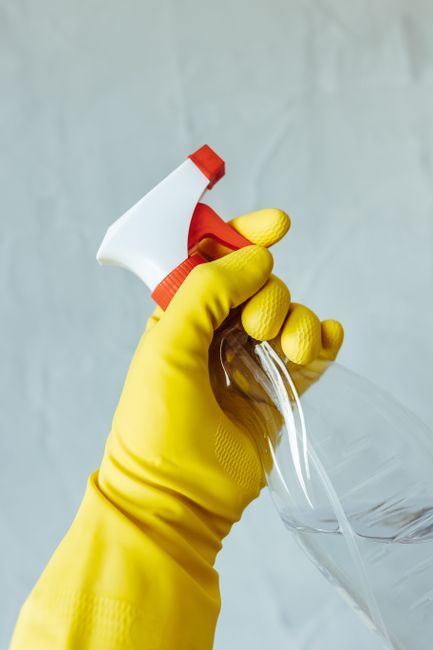
A biocide is a solution designed to kill living organisms like moss, algae and lichen. Applied to a clean roof, it soaks into the tile surface and destroys the spores and roots that washing leaves behind, dealing with the growth at a level you could never reach by hand.
It works quietly and over time. Rather than a dramatic instant change, the treatment keeps acting for weeks after it goes on, killing off what's there and leaving the surface hostile to new growth. That's what turns a clean roof into a roof that stays clean.
3. Why it lasts so much longer
The difference between a treated and an untreated roof is time. An untreated roof in our damp climate might look green again within a year, whereas a properly treated one can stay clear for several years before it needs another look.
That longevity is the whole value of it. You're not paying to clean the same roof over and over, you're getting a clean that holds. For a Hereford home surrounded by the greenery that makes moss such a constant here, that lasting protection is exactly what you want.
4. Part of the soft wash approach
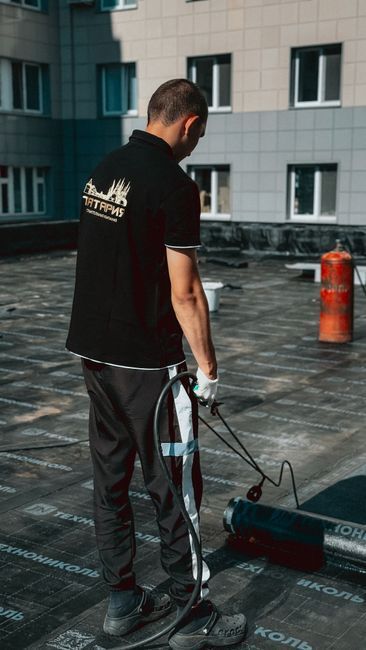
A biocide treatment isn't a separate service so much as the finishing stage of a proper soft wash. The roof is cleaned gently with low pressure to protect the tiles, then the treatment goes on to keep it clean. The two work as a pair, one for now and one for the long run.
This gentle, treat-and-protect approach suits the older roofs found across Hereford, where clay tile and slate can't take a battering. You get a roof that's clean today and stays clean, without any of the harshness that a high-pressure blast would inflict on period tiles.
5. When you'll see the results
It's worth knowing that a biocide doesn't always give an instant sparkle. Some staining fades gradually as the treatment works and the weather rinses the roof over the following weeks, so a roof can keep improving well after the crew has packed up.
That slow fade is a good sign, not a fault. It means the product is doing its job at the root rather than just stripping the surface. Given how often it rains in Herefordshire, nature does a lot of the finishing work for you in the weeks after treatment.
6. Keeping it topped up
No treatment lasts forever, and in a damp, green county the moss will eventually try again. The sensible approach is an occasional light maintenance visit, a fresh treatment every few years, to keep the roof ahead of the regrowth rather than letting it build back up.
Think of it like anything else you maintain rather than replace. A treated roof that gets a top-up now and then stays clean and protected for the long haul, which works out far cheaper and less hassle than letting the moss return and starting the whole job from scratch.
- Kills the roots: reaches the spores and roots that washing alone leaves behind.
- Long-lasting: keeps a roof clear for years rather than months.
- Gentle finish: the treatment stage of a low-pressure soft wash.
- Gradual results: staining fades as the treatment works and the rain rinses it.
- Top-ups: an occasional fresh treatment keeps moss from returning.
Frequently Asked Questions
Is a biocide treatment safe for my roof?
Yes, it's designed to be applied to roof tiles and is a normal part of professional roof cleaning. It targets the moss, algae and lichen without the force of a pressure washer that can damage older tiles.
How long does the treatment keep working?
It carries on acting for weeks after application, and the protection it leaves behind can keep a roof clear for several years. In our damp climate a top-up every few years keeps it ahead of regrowth.
Why hasn't my roof gone spotless straight away?
That's normal. A biocide works gradually, so some staining fades over the following weeks as the treatment does its work and the frequent Herefordshire rain rinses the surface clean.
Do I still need to clean the roof first?
Yes, the treatment goes on after a gentle clean has removed the heavy growth. Cleaning clears what's visible, and the biocide then deals with the spores and roots left behind to stop it coming back.
Will it harm my plants or the garden?
A careful application protects your planting and manages the runoff, so borders and lawns are looked after. It's a standard part of doing the job properly and responsibly.
Want a roof clean that actually lasts?
Ben's Roof Cleaning carries out roof cleaning, moss removal and gutter cleaning across Hereford and Herefordshire, with over 15 years of experience. Get in touch or call 01432 687073
for a free, no-obligation quote.
The step that makes a clean roof stay clean
Cleaning a roof is only half the story, and without a biocide treatment you're signing up to do it all again far too soon. Treating the roof after it's cleaned is what turns a short-lived result into years of protection, which is exactly what a home needs in a county as green and damp as Herefordshire.