Lichen on Your Hereford Roof and Why It's So Stubborn
You might have spotted them without knowing what they were. Those crusty, flat patches on your roof tiles, pale grey, sometimes tinged yellow or orange, that look almost painted on. That's lichen, and if you've ever tried to scrub one off, you'll know it holds on like nothing else up there.
Lichen is a different beast from the soft green moss most people worry about. It's slower to appear, tougher to shift, and it grips the tile so tightly that clearing it takes patience and the right method. On the older roofs around Hereford, where clean air and clay tiles suit it perfectly, lichen is a common sight and a frequent source of frustration.
The quick answer: Lichen is stubborn because it's part fungus, gripping the tile with root-like threads that dig into the surface, so it can't just be brushed off, and it needs a biocide treatment that kills it at the root before it will clear.
1. What lichen actually is
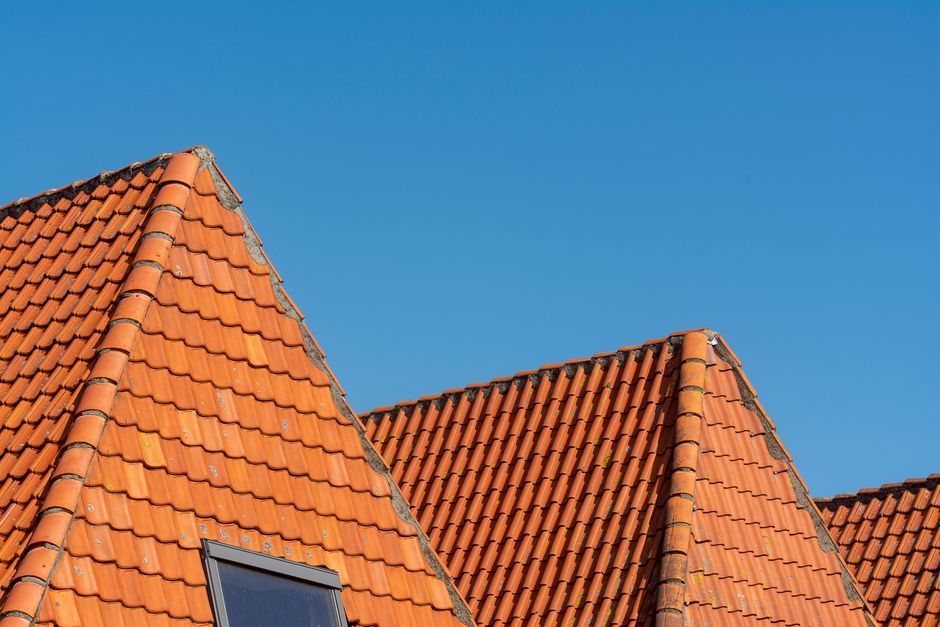
Lichen isn't a single plant, it's a partnership. A fungus and an alga live together as one organism, with the alga making food from sunlight and the fungus providing the structure and clinging to the surface. That combination makes lichen incredibly hardy, able to survive on bare tile where little else would take hold.
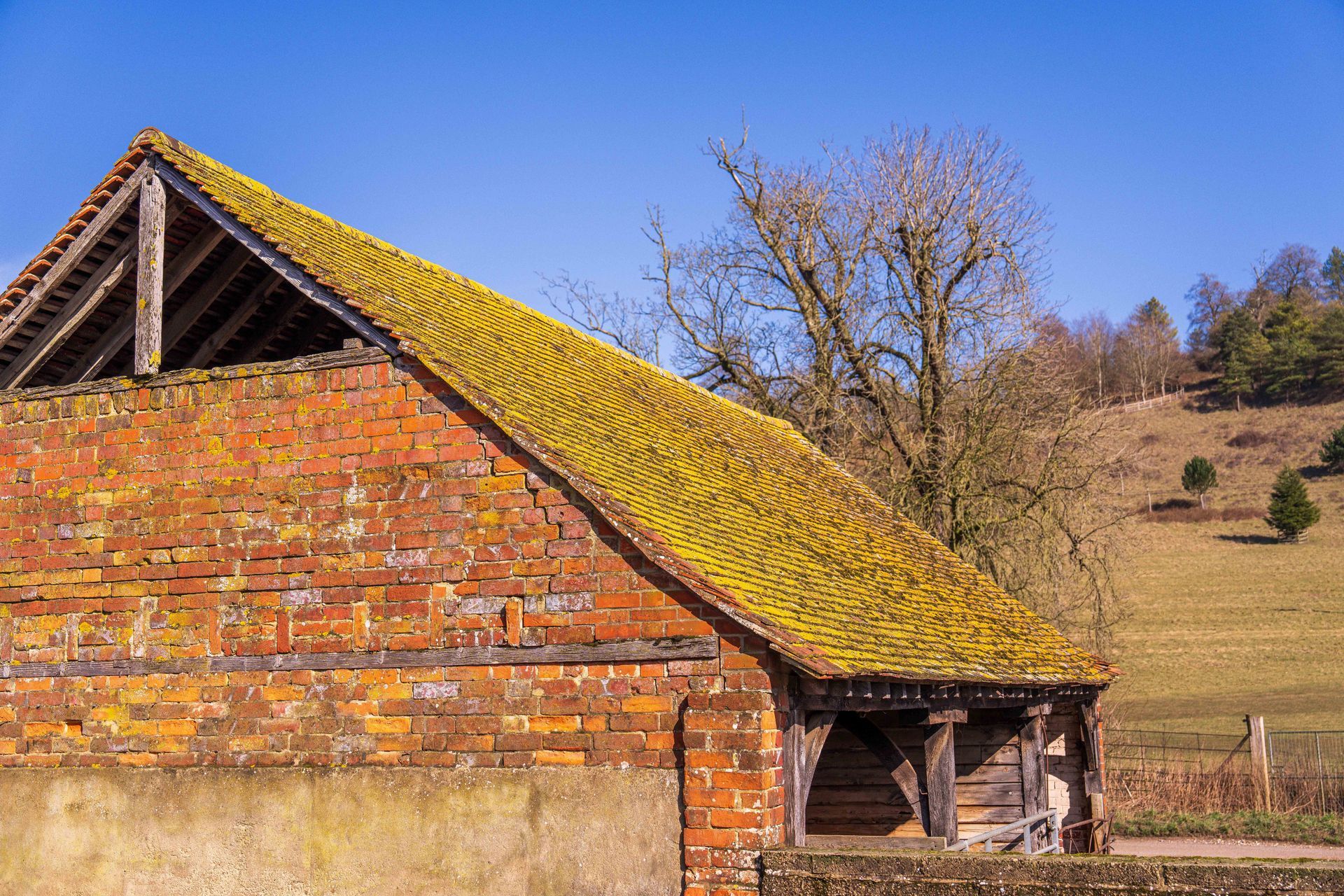
On a roof, lichen usually shows up as those flat, crusty rosettes, often greyish with orange or yellow edges. Unlike moss, which sits on top of the tile in soft clumps, lichen bonds to the surface itself. That's the root of the whole problem, and it's why the two need slightly different handling even though the same treatment tackles both.
2. Why it grips so hard
The fungal part of lichen puts out fine thread-like structures that work into every tiny pit and pore in the tile surface. On weathered clay and concrete tiles, which are rough and slightly porous to begin with, there's plenty for those threads to grab. Over years, the lichen effectively becomes anchored into the tile rather than just sitting on it.
That's why scrubbing or scraping barely touches it. You might knock the top off a patch, but the anchoring threads stay put in the surface and the lichen simply regrows from them. It's also why a pressure washer is such a bad idea here, because the force needed to shift bonded lichen is more than enough to strip and crack the tile underneath.
3. Why Hereford roofs get so much of it
Lichen is famously fussy about air quality and thrives where the air is clean, which is one reason it's so at home in rural Herefordshire. Away from heavy industry and traffic, with the green countryside and orchards of cider country all around, the conditions suit it well. Clean, damp country air is close to ideal for lichen.
The damp helps too. Moisture rolling in off the Wye valley and the county's steady rainfall keep tiles damp enough for lichen to stay active. Combine that clean, moist air with the porous older clay tiles you find across much of Hereford, and you have a roof that lichen settles onto and refuses to leave.
4. The damage it can do
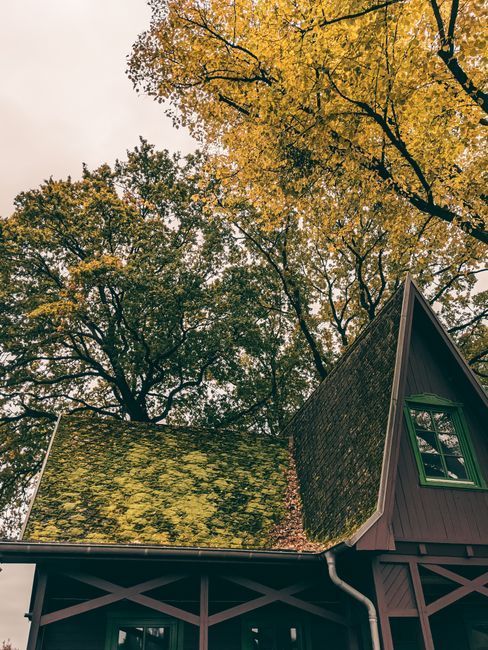
Lichen is slower to harm a roof than thick moss, but it isn't harmless. As the threads work into the tile surface they can, over long periods, break down the outer face of older or softer tiles, leaving them rougher and more absorbent. A rougher tile then holds more moisture and gives moss and more lichen an even better grip.
Loose fragments of lichen also wash down into the gutters along with moss and grit, adding to the debris that clogs them. And on a practical level, a roof crusted with grey and orange patches simply looks tired and neglected, which drags down the appearance of the whole house even when the tiles beneath are sound.
5. How to actually clear it
The only reliable way to shift lichen is to kill it at the root with a biocide treatment, then let it break down and weather off. A soft wash applies a low-pressure treatment that soaks into the lichen and the tile surface, killing the organism, including those anchoring threads. Over the following weeks and months the dead lichen loses its grip and washes away with the rain.
It's a slower result than blasting moss off, and that catches some people out. Lichen has been bonding to the tile for years, so it doesn't vanish overnight. The gentle, treat-and-wait approach is what protects the tile though, and on Hereford's period and clay tile roofs that patience is exactly what keeps the surface intact.
6. Keeping it from coming back
Once lichen is treated and gone, the same soft wash that cleared it helps hold it off. The biocide keeps working in the tile surface for a good while, resisting fresh growth, and a treated roof stays clear far longer than one that was simply scraped. Regular treatment on a sensible cycle keeps lichen from re-establishing its grip.
Keeping the roof drier helps too. Cutting back branches that shade the tiles lets in more light and air, and clearing the gutters stops debris and damp building up at the eaves. In Hereford's clean, moist air lichen will always want to return, but staying ahead of it with periodic treatment keeps it from taking hold the way it once did.
- What it is: Lichen is a fungus and alga combined, far tougher than soft moss.
- Why it clings: Fungal threads anchor into the pores of the tile, so it can't be brushed off.
- Local factor: Clean rural air and Wye valley damp make Hereford roofs ideal for it.
- The fix: A biocide soft wash kills it at the root, then it weathers off over weeks.
- Prevention: Regular treatment and a drier roof keep lichen from regaining its grip.
Frequently Asked Questions
What are the crusty grey and orange patches on my roof?
That's lichen, an organism made of a fungus and an alga living together. It bonds hard to the tile surface, which is why it looks almost painted on and won't simply brush away.
Why can't I just scrub the lichen off?
Because its fungal threads anchor deep into the pores of the tile. Scrubbing removes the surface but leaves the anchoring parts behind, so it regrows. Only a biocide treatment kills it at the root.
Why does my Hereford roof get so much lichen?
Lichen loves clean, damp air, and rural Herefordshire has plenty of both. The clean country air, the moisture off the Wye, and porous older clay tiles together make an ideal home for it.
Is lichen damaging my roof?
It's slower to harm a roof than heavy moss, but over years its threads can break down the surface of older tiles, making them rougher and more absorbent, which then invites more growth.
How long does it take for treated lichen to disappear?
Longer than moss. Because lichen bonds so tightly, the dead growth takes weeks or months to weather off after treatment. That gradual, gentle clearing is what protects the tile underneath.
Roof crusted with stubborn lichen?
Ben's Roof Cleaning offers roof cleaning, moss removal, and gutter cleaning across Hereford and Herefordshire, with over 15 years of experience. Get in touch or call 01432 687073
for a free, no-obligation quote.
Patience beats brute force with lichen
Lichen earns its reputation for being stubborn honestly, because it's built to cling and it's been gripping your tiles for years. The temptation to attack it with a scraper or a jet wash is exactly what damages the roof, though. Treat it properly, give it time to die back and weather away, and keep up with the odd treatment, and even the crustiest Hereford roof comes back clean without a single cracked tile.