Caring for Period and Clay Tile Roofs in Hereford
Herefordshire is famous for its old buildings, the black-and-white timber-framed houses, the medieval cathedral city, the stone and brick cottages scattered across the county. If your home is one of them, the roof over your head has kept the rain off for a very long time, and it deserves care to match.
The catch is that an older roof needs the right sort of care. Handle it roughly and you can undo a hundred years of good service in a single afternoon. Here's what makes Hereford's period roofs special, and how to keep yours sound.
The quick answer: Clay tile and slate are tough but brittle, and old tiles turn fragile with age. Clean them gently with a soft wash, never a pressure washer, keep the gutters clear so water drains off the walls, and check for slipped tiles after storms. Cared for properly, a Hereford roof outlasts its owners.
1. What sits on Hereford's rooftops
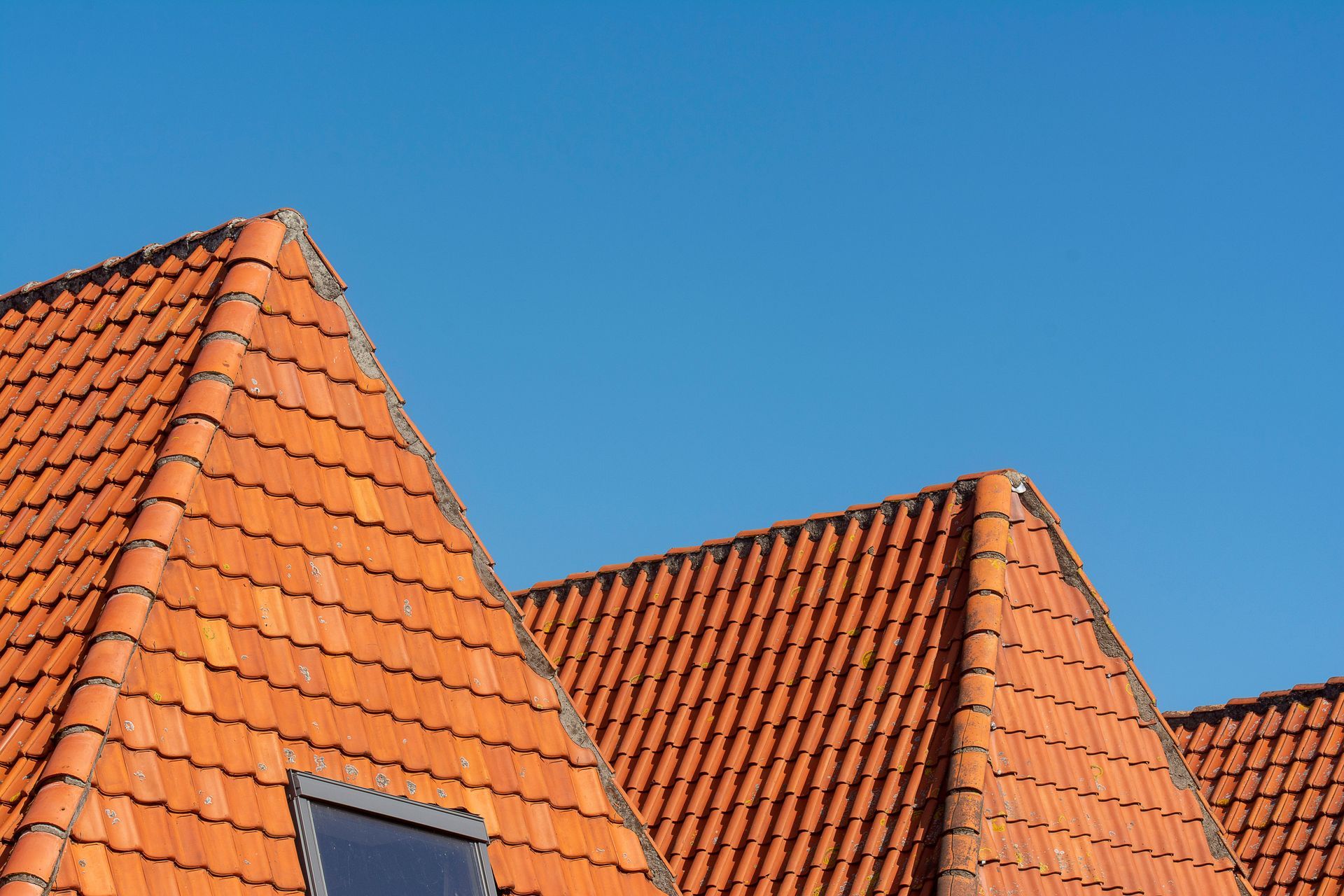
Hereford grew as a border market and cathedral city, and its buildings tell that long story. Above the timber-framed frontages, the Georgian brick and the Victorian terraces sits a mix of old clay tile, natural slate brought in from nearby Wales, and in rural spots handmade stone tiles.
Much of it has done its job for generations. Warm clay tile and grey slate over brick, stone and old timber is the Hereford roof, and a lot of it is still the original. These are roofs worth looking after properly.
2. What makes old tiles different from a modern one
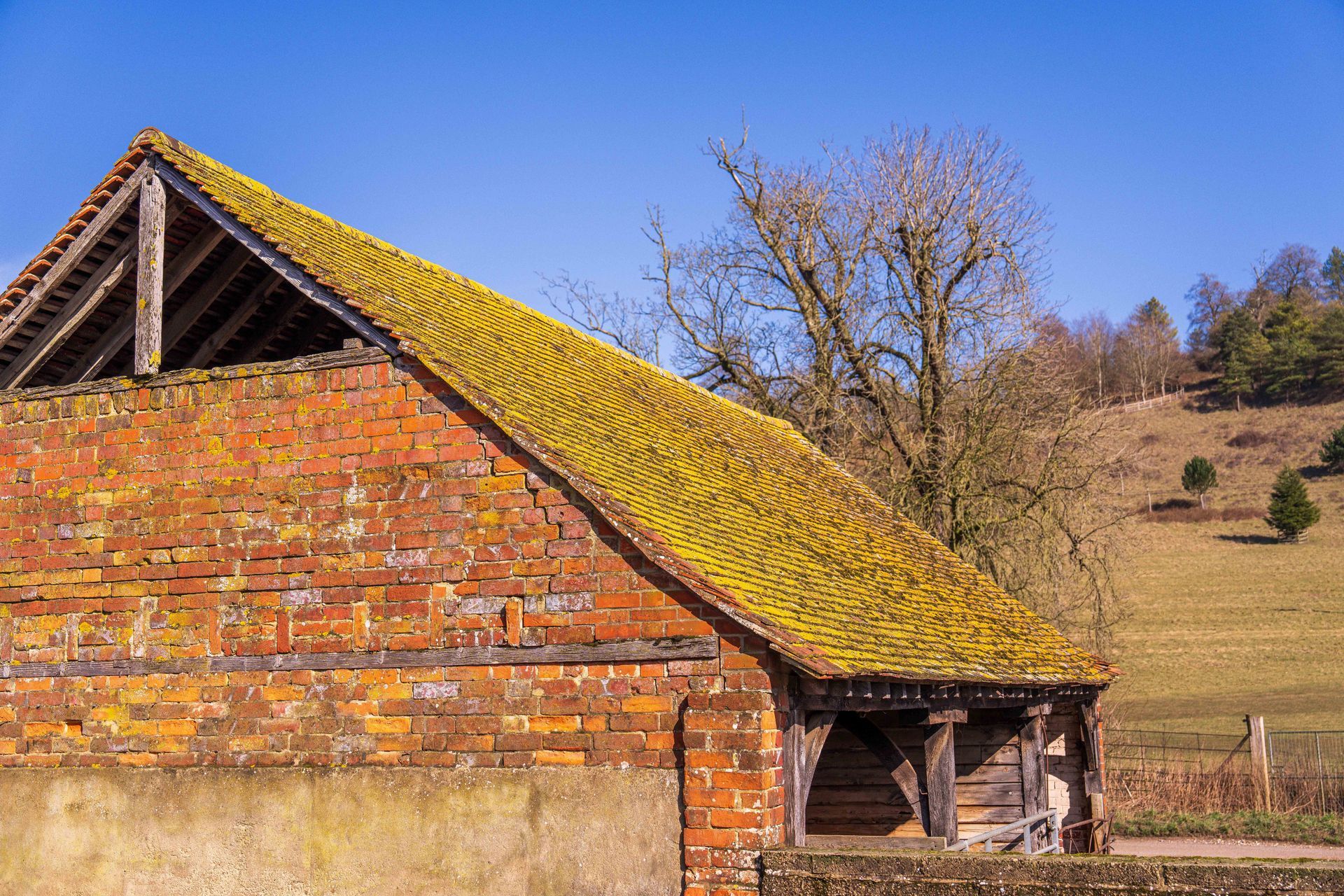
Old clay tiles were often handmade, and slate is split from natural rock. Both give a lifespan modern concrete tiles struggle to match, but both bring a particular weakness. Age makes clay tiles brittle, and slate cleaves along flat layers, so a tired old tile can snap or flake if it's handled roughly.
Then there are the fixings. Tiles and slates hang on nails or pegs, and over a century those work loose or rust away. It's why old roofs start dropping tiles in high winds even when the tiles themselves are sound. Caring for a period roof means caring for the whole system, not just the surface you can see.
3. Cleaning an old roof without harming it
This is where good intentions go wrong. A pressure washer strips moss off fast, but it also forces water up under the tiles, works loose old fixings, and cracks the thinner, more brittle pieces. On a roof that's lasted a century, that's a steep price for a quick clean.
Soft washing is the safe route. Low-pressure water and a biocide clear the moss and algae and kill the growth at the root, with no force that could crack a tile or drive water inside. The roof comes up clean, and just as important, it comes through the clean undamaged.
4. Keeping water off the walls below
Many Hereford homes are brick, stone or timber-framed, and none of them enjoy being soaked over and over. That makes your gutters more important than they look. When moss washes off the roof and blocks them, water spills over and runs straight down the wall.
Do that winter after winter and the wall stays wet, which invites damp inside and, on a timber-framed home, can threaten the frame itself. Clearing the gutters is humble work, but on a period home it protects the whole structure. Keep the water running where it should and the house stays drier.
5. Spotting trouble early on a period roof
Old roofs give you fair warning if you know the signs. A quick look from the ground with binoculars after a big blow can save you a much larger bill. Keep watch for these:
- Slipped or missing tiles, often the first hint that old fixings are failing.
- A tile or two in the garden after a windy night.
- A dip or sag in the roof line, which can point to tired timbers below.
- Heavy moss on the shaded slope, holding damp against the tiles.
- Staining on upstairs ceilings, a sign water is getting past the roof.
6. When to clean and when to call a roofer
Cleaning and repair are two different jobs, and it helps to know which you need. A roof that's sound but green wants a soft wash and a gutter clear. A roof dropping tiles or letting water in needs a roofer to put the structure right first, and on a listed or timber-framed building, one who knows how to work with old materials.
Often the sensible order is to have the roof cleaned so it can be seen clearly, then sort any repairs the clean brings to light. A good clean makes slipped tiles and worn patches far easier to spot. There's no sense treating moss on a roof about to be re-tiled, and no sense re-tiling a roof whose only fault is years of neglected moss.
Frequently Asked Questions
How long does a clay tile or slate roof in Hereford last?
The tiles or slate can last well over a hundred years. The nails, pegs and battens holding them up wear out sooner, which usually triggers major work rather than the tiles failing.
Can I pressure wash my roof if I'm gentle?
Better not to. Even careful pressure washing can crack brittle old clay tiles and thin slate, and force water underneath. Soft washing gets the same result without the risk.
Is moss really damaging my roof, or just sitting on it?
Over time it holds damp against the tiles and can lift edges in a freeze. It also washes into gutters and blocks them, which threatens the walls below. Worth removing.
My roof drops a tile every winter. Why?
That's usually old fixings failing, where century-old nails or pegs have worn through. A roofer can refix or replace them. It's common on Hereford's older homes.
Is soft washing safe on a listed or timber-framed building?
Yes, and it's usually the right choice. The gentle, low-pressure method avoids the damage that heavier cleaning can do to old, protected structures.
Got a period roof that needs a careful hand?
Ben's Roof Cleaning cleans and maintains clay tile, slate and stone roofs across Hereford and Herefordshire, with over 15 years of experience. Get in touch or call 01432 687073
for a free, no-obligation quote.
Old roofs reward the owner who respects them
There's something to admire in a roof that's kept a family dry since before anyone can remember. Hereford's clay, slate and stone earned their name the hard way, over generations of border weather sitting on brick, stone and timber. Clean them gently, keep the water running off and away from the walls, and fix the small faults before they grow. Do that and your period roof carries on with its quiet work long after you've passed the house along.