Why Hereford Roofs Grow So Much Moss
Look up at your roof after a wet spell and the green is hard to ignore. A haze across the tiles, thick pads on the shaded slope, dark streaks heading for the gutter. If your Hereford roof seems to grow moss faster than you'd expect, the county's lush, green setting is a big part of why.
All those trees, all that damp river-valley air, the same conditions that make Herefordshire so green also make it a fine place for moss to grow. Here's why the stuff loves your roof, what it does over the years, and how to actually keep it under control.
The quick answer: Moss needs moisture, shade and a surface it can grip, and Hereford supplies all three. Damp air off the River Wye, a green county full of trees, and mild wet weather keep roofs damp for days. Killing the growth at the root with a soft wash is what keeps it away.
1. A green, damp county is a moss paradise
Moss asks for one thing above all: steady moisture. Hereford sits in the Wye valley, ringed by farmland and orchards, and the river keeps the air damp long after the rain has stopped.
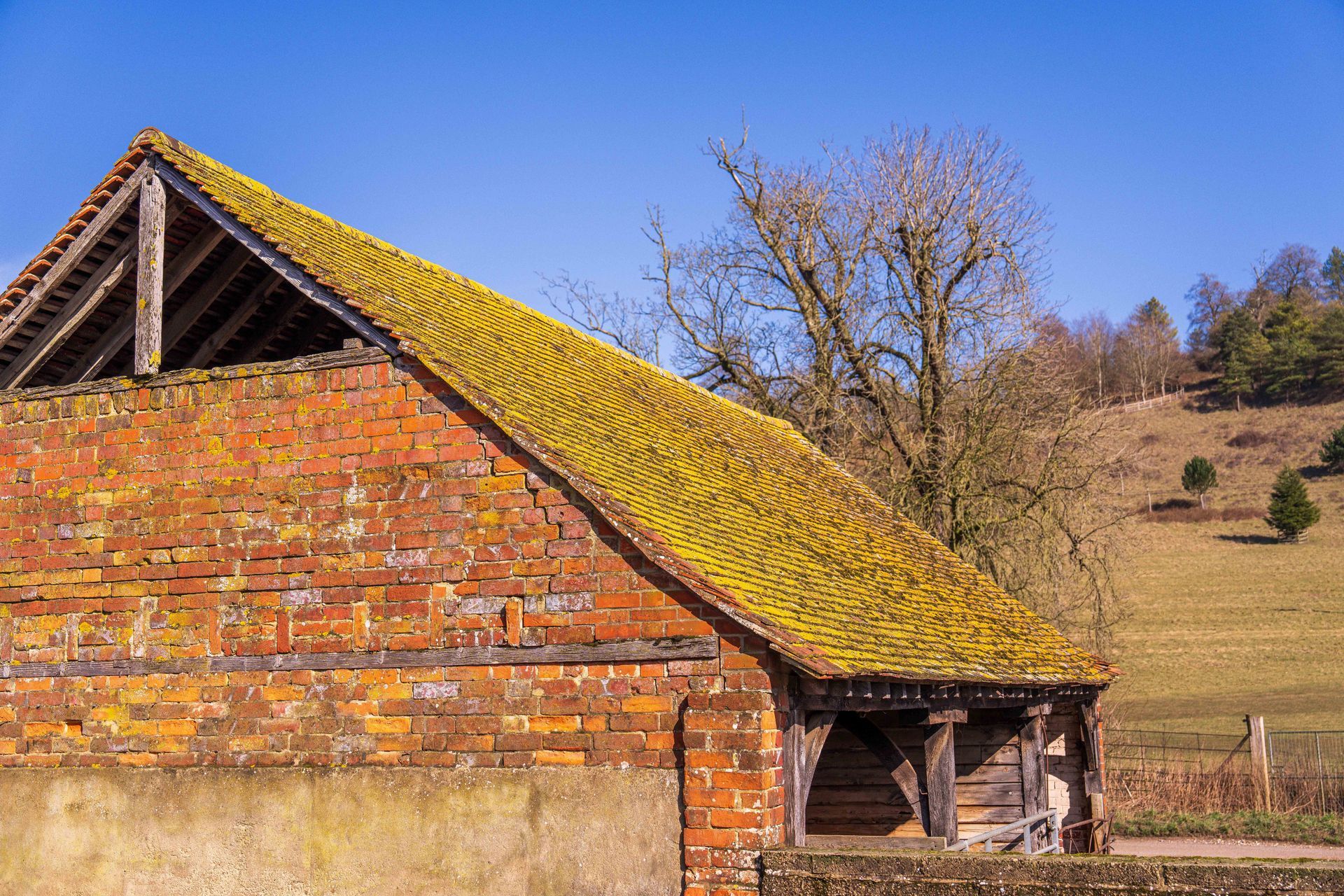
Roofs here don't dry out fast. They hold moisture for days, and that lingering damp is the exact window a moss spore needs to root and spread. It's why a Hereford roof can turn noticeably green in a single season, especially on a property surrounded by the greenery the county is famous for.
2. The shaded slope always goes first
Sun dries a roof and holds moss back. Shade does the reverse. The north-facing slope of your house stays damp longest, and that's nearly always where the green shows first and grows thickest.
Trees make it worse, and Hereford has trees to spare. Rural properties tucked among orchards and hedgerows, and the leafy older streets of the city, drop shade and debris onto nearby roofs and hold the damp in. If one side of your roof is green and the other clear, look at where the sun actually reaches through the day. The pattern usually explains itself.
3. Old, weathered tiles give moss its grip
A smooth new tile sheds water and gives spores little to hold. An old one is a different story. Decades of weather leave the surface pitted and open, and every little hollow traps water and grit.
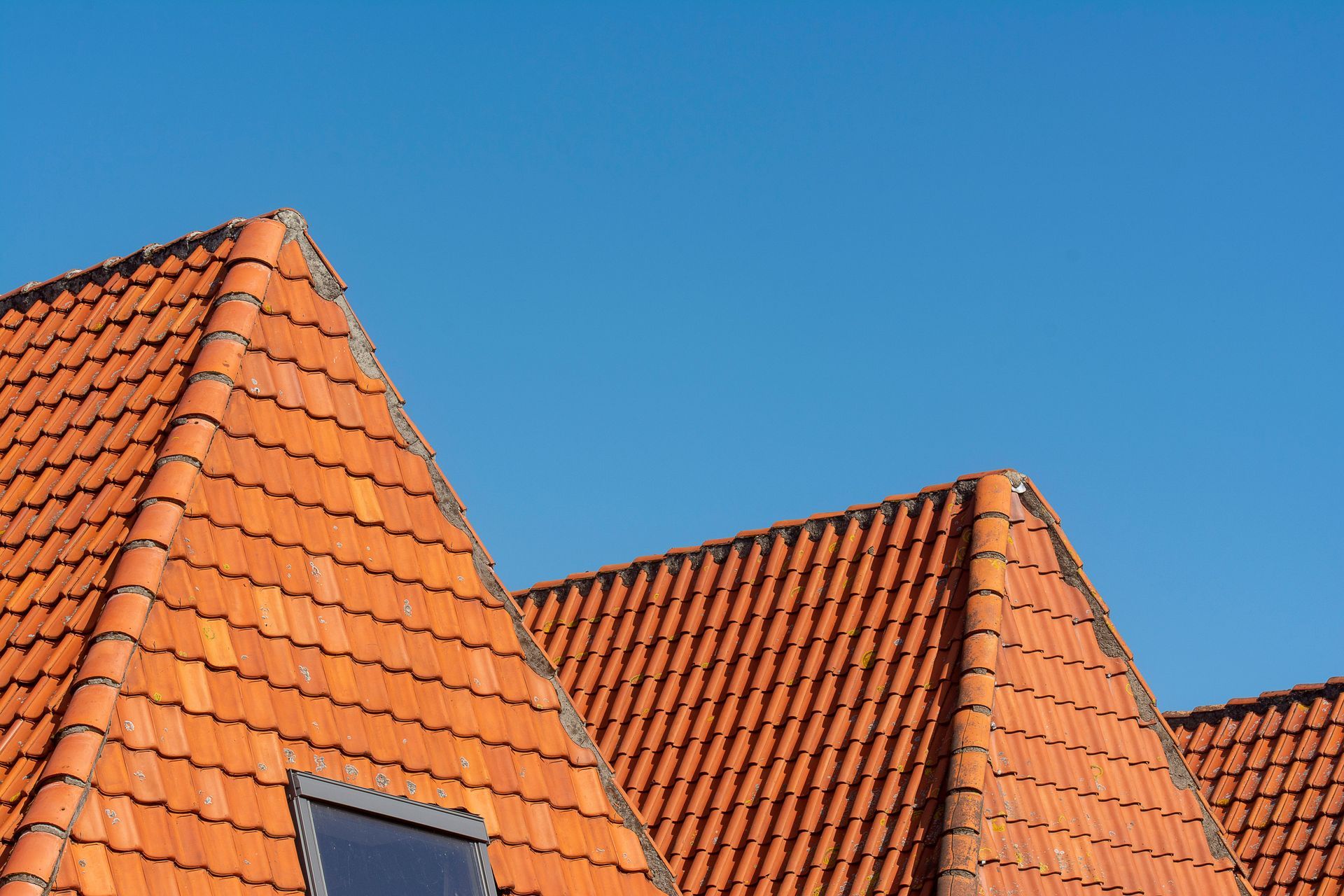
Hereford has plenty of aged roofs. The old clay tiles and handmade stone tiles on the county's period homes and cottages have weathered for a century or more, and that rough old surface is a perfect anchor for moss. The tiles haven't failed. Time has simply made them grippier than the day they first went up.
4. What moss actually costs you over time
A thin green film won't bring the house down. Leave it for years, though, and moss causes real trouble, building quietly until one day it doesn't.
It holds water against the tiles rather than letting it drain, and that constant damp wears the surface faster. In a cold snap the trapped water freezes, expands, and can lift or crack a tile. Clumps break loose and slide into the gutters, blocking them, so rain spills down the walls instead of draining. Keep an eye out for these:
- Green or black patches spreading over the tiles, worst on the shaded slope.
- Moss in the gutters or scattered on the ground after wind and rain.
- Gutters spilling over in heavy rain when they used to cope.
- Dark streaks running down from the ridge, a sign of algae riding along with the moss.
- Damp marks on upstairs ceilings, where trapped water has worked its way in.
5. Why a quick brush never really works
Plenty of people take a stiff brush to the moss on a dry day. It feels productive and the roof looks better for a bit. But brushing only lifts the top growth. The roots and spores stay behind, and a few damp months later the green is back.
And there's a real risk in it. Scraping hard at old clay or slate can loosen or crack it, and a wet, sloping roof is a dangerous perch. Clearing the surface is half the job at best. The half that lasts is treating what's left behind.
6. What genuinely keeps a Hereford roof clear
The method that works is a soft wash. Loose moss is cleared gently, then the whole roof gets a biocide that kills the growth to the root and keeps working for months.
Because it deals with the cause rather than just the look, the roof stays clean far longer than any brush-off manages. In a green, damp county like Herefordshire, that treatment step is the difference between cleaning the roof once every few years and fighting the same moss every spring.
Frequently Asked Questions
Is moss on my roof a real problem or just an eyesore?
Both. A little is mostly cosmetic, but left for years it traps damp, blocks gutters and can crack tiles in a freeze. Sorting it early is cheaper.
Why is only one side of my roof green?
Shade. The north-facing slope stays wet longest, so moss grows there first and thickest. The sunny side dries and stays clearer.
Will the moss come back after cleaning?
If you only brush it, yes, fast. A proper soft wash with a biocide kills the root and keeps it away for years in most cases.
Does being surrounded by greenery really make that much difference?
It does. Trees and damp valley air keep roofs wet far more of the year, and that steady moisture is exactly what moss needs to spread.
How quickly should I act on moss I've noticed?
No need to rush, but don't leave it for years. A clean before it clogs the gutters or hits a freeze-thaw cycle saves money later.
Tired of moss taking over your roof?
Ben's Roof Cleaning clears and treats mossy roofs across Hereford and Herefordshire, with over 15 years of experience. Get in touch or call 01432 687073
for a free, no-obligation quote.
You can't change the green county, but you can beat the moss
The lush countryside that makes Herefordshire such a fine place to live is the same setting that keeps your roof under pressure, and none of us would trade the green for less. What you can change is how long moss gets to sit up there doing its slow work. Clear it, treat it at the root, and keep half an eye on that shaded slope where it always begins. Do that and your roof handles the damp the way it was built to, year after year.