Cleaning Moss Off a Flat or Low-Pitch Roof in Hereford
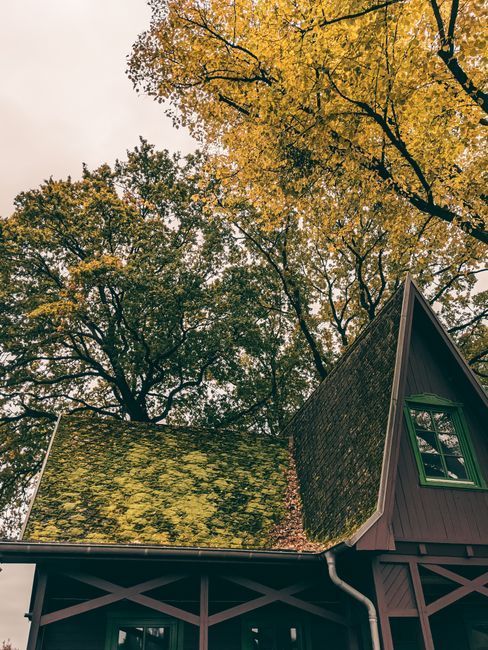
You've probably got more flat roof than you think. The kitchen extension, the garage, the bay window over the front door, maybe a whole single-storey addition out the back. And if you've looked at any of them lately, there's a fair chance they've turned green. Flat and low-pitch roofs collect moss faster than any other part of the house, and they need a gentler touch to clean.
The problem is water sits still on them. A steep tiled roof sheds rain quickly, but a flat or shallow roof lets water pool and linger, and that damp surface is exactly what moss and algae want. In a damp county like Herefordshire, with rain coming in off the Wye and plenty of overhanging trees, these low roofs green up within a year or two of being cleaned.
The quick answer: Clean a flat or low-pitch roof with a gentle soft wash and a biocide treatment rather than scraping or jet washing, because the felt, fibreglass, or rubber surface damages easily and a punctured flat roof leaks fast.
1. Why flat roofs grow moss so fast
It all comes back to standing water. Even a roof that looks level usually has slight dips where rain gathers and takes ages to dry. That constant damp gives moss spores and algae a foothold, and once a thin green film takes hold it traps even more moisture, so the growth speeds up. A flat roof can go from clear to carpeted in a couple of Hereford winters.
The surroundings play a big part too. Many flat roofs sit low, tucked beside taller parts of the house or under trees, so they stay shaded and rarely see drying sun. Around the leafier parts of Hereford like Tupsley and Belmont, garage and extension roofs sit right under mature canopies that drop leaves and keep everything damp, which is a perfect moss nursery.
2. The damage moss does to a flat roof
On a flat roof, moss isn't just a stain, it's a threat to the waterproofing. A thick moss mat holds water against the felt or membrane day and night, and that constant wet shortens the life of the surface. Felt goes brittle and cracks, seams lift, and the whole covering ages faster than it should.
Moss also blocks the flow. Flat roofs rely on their gentle fall and their outlets to drain, and a build-up of moss and debris dams the water up in pools. That ponding adds weight, works into any weak spot, and is a leading cause of flat roof leaks. By the time water shows up on the ceiling below, the covering has usually been struggling for a while.
3. Why you can't clean it like a tiled roof
The instinct is to get up there and scrape the moss off, or blast it with a pressure washer. On a flat roof, both can be a costly mistake. A scraper or stiff brush can tear felt and lift seams, and a high-pressure jet will drive straight through a worn membrane or force water under the laps, turning a cosmetic job into a leak.
Flat roof coverings are also more varied than tiles. You might have mineral felt, fibreglass, EPDM rubber, or an asphalt finish, and each has its own weak points. Without knowing what you're standing on, it's easy to pick the wrong tool. That's a big part of why a gentle, low-pressure approach is the safe default across the board.
4. The soft wash approach
The safe way to clean a flat or low-pitch roof is a soft wash. That means clearing off the loose moss and debris by hand or with gentle tools, then treating the surface with a biocide that kills the moss, algae, and lichen down to the root. The low pressure protects the covering, and the treatment keeps working long after the job is done.
Because the biocide carries on doing its work, the roof stays cleaner for far longer than if you'd simply scraped the green off. The dead growth weathers away over the following weeks, and the treated surface resists regrowth. On a Hereford flat roof that would otherwise green up every year, that extra staying power makes a real difference.
5. Don't forget the outlets and gutters
Cleaning the surface is only half the job on a flat roof. All that moss and debris has to go somewhere, and if it washes into the outlets and gutters it just creates a new blockage. Clearing the drainage points, downpipes, and any surrounding gutters is what actually keeps the water moving off the roof.
This matters even more on the low roofs common around Hereford, where extensions and garages often drain into a single narrow outlet. One clogged gully and the whole roof ponds again. Clearing the drainage as part of the clean means the surface can dry properly between showers, which is the single best thing you can do to slow the moss coming back.
6. Keeping a flat roof clear longer
Once a flat roof is clean and treated, a little routine keeps it that way. Cutting back overhanging branches lets in more light and air so the surface dries faster. Clearing leaves and debris off in autumn stops a fresh damp mat forming over winter. Small habits like these stretch out the time between cleans.
A periodic soft wash treatment is the backbone of it, though. Because flat roofs stay so damp in the Herefordshire climate, they benefit from being treated on a regular cycle rather than left until they're thick with green again. Staying ahead of it protects the waterproofing and saves you the far bigger cost of recovering a leaking flat roof.
- Standing water: Flat roofs hold damp, which is why they grow moss faster than tiled ones.
- Gentle only: Soft washing protects felt, fibreglass, and rubber that scraping or jetting would damage.
- Waterproofing: Moss traps water against the covering and is a common cause of flat roof leaks.
- Drainage: Clear the outlets and gutters so water can run off and the surface dries.
- Upkeep: Cut back branches and treat on a regular cycle to slow regrowth.
Frequently Asked Questions
Can you pressure wash a flat roof to remove moss?
It's not advised. High-pressure water can cut through worn felt or membrane and force water under the seams, causing leaks. A gentle soft wash with a biocide treatment is the safer way to clear moss.
Why does my garage or extension roof grow so much moss?
Flat and low-pitch roofs hold standing water and often sit low and shaded under trees. That constant damp, common around Hereford's leafier streets, is exactly what moss and algae need to thrive.
Is moss actually harmful on a flat roof?
Yes. A thick moss mat holds water against the covering, ages the felt or membrane, and can block the outlets so the roof ponds. Ponding water is one of the main causes of flat roof leaks.
How long will a flat roof stay clean after treatment?
Longer than after scraping alone, because the biocide keeps killing regrowth after the job. In the damp Herefordshire climate a regular treatment cycle keeps a low roof clear far more reliably.
Should the gutters be cleared at the same time?
Definitely. Loose moss washes into the outlets and downpipes, so clearing the drainage is part of the job. Otherwise the water backs up and the roof stays wet, which brings the moss straight back.
Got a green garage or extension roof?
Ben's Roof Cleaning offers roof cleaning, moss removal, and gutter cleaning across Hereford and Herefordshire, with over 15 years of experience. Get in touch or call 01432 687073
for a free, no-obligation quote.
Gentle care keeps a flat roof watertight
Flat and low-pitch roofs ask for a softer hand than the tiles up top, because the thing keeping them dry is a thin surface that damages easily. Clear the moss gently, treat it so it stays away, keep the outlets running, and let a bit of sun and air do the rest. Look after those low roofs and they keep the rain out for years, which is a lot cheaper than replacing a covering that moss quietly wore through.