How Often Should You Really Clean Your Hereford Roof?
You look up at the roof, see a bit of green, and wonder if it's time to do something, or whether you cleaned it not that long ago. It's one of those jobs with no obvious schedule, so most people either leave it far too long or worry about it more than they need to. The honest answer is that it depends on your roof and where it sits.
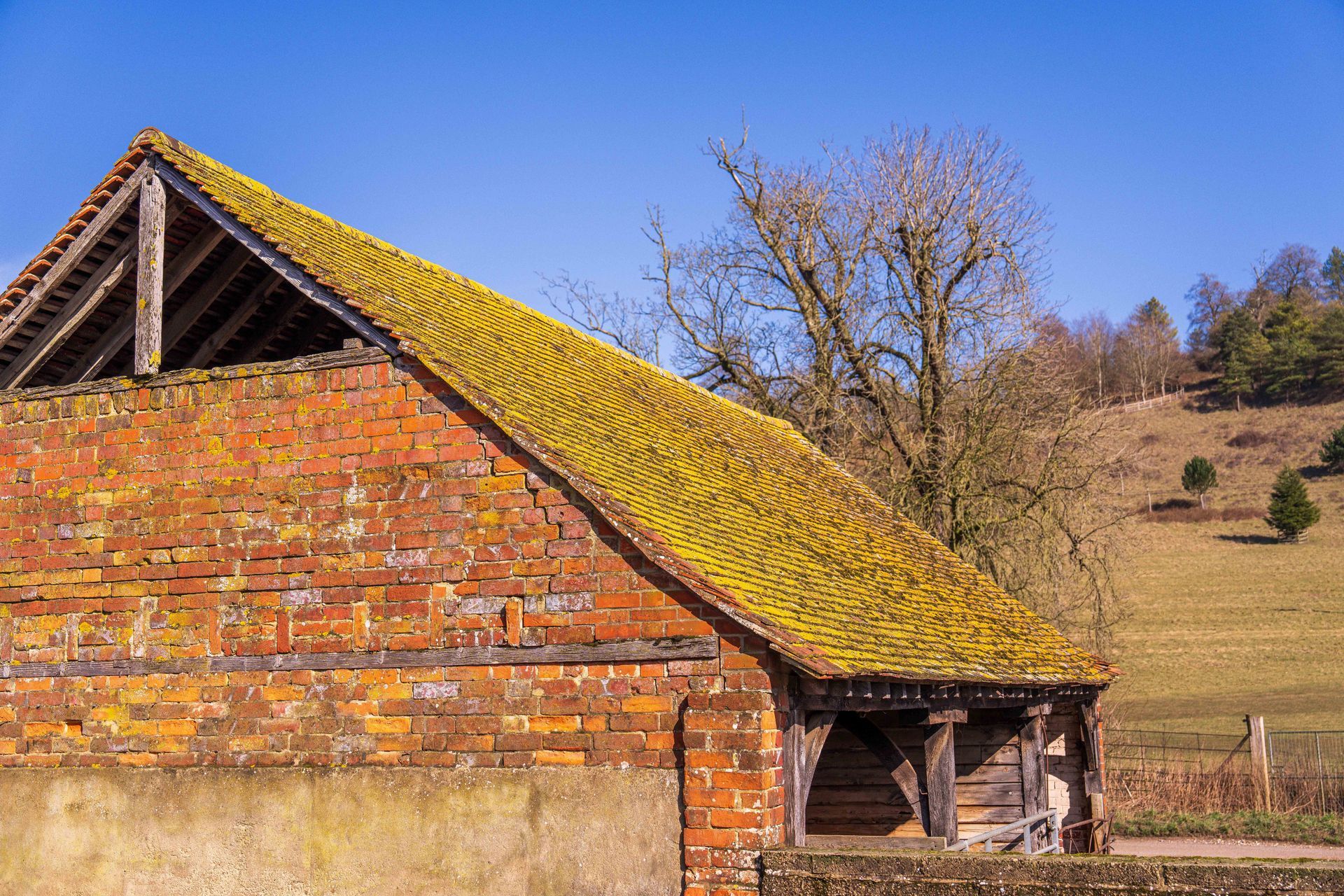
There's no single number that fits every house. A south-facing roof in the open dries quickly and stays clear for years, while a shaded roof under trees can green up in a couple of seasons. What matters is learning to read your own roof and understanding what speeds moss along, especially in a damp spot like Hereford where the conditions push growth hard.
The quick answer: Most Hereford roofs benefit from a proper clean and moss treatment every three to five years, though shaded, tree-lined, or north-facing roofs may need it more often, while gutters want clearing once or twice a year.
1. Why there's no one-size answer
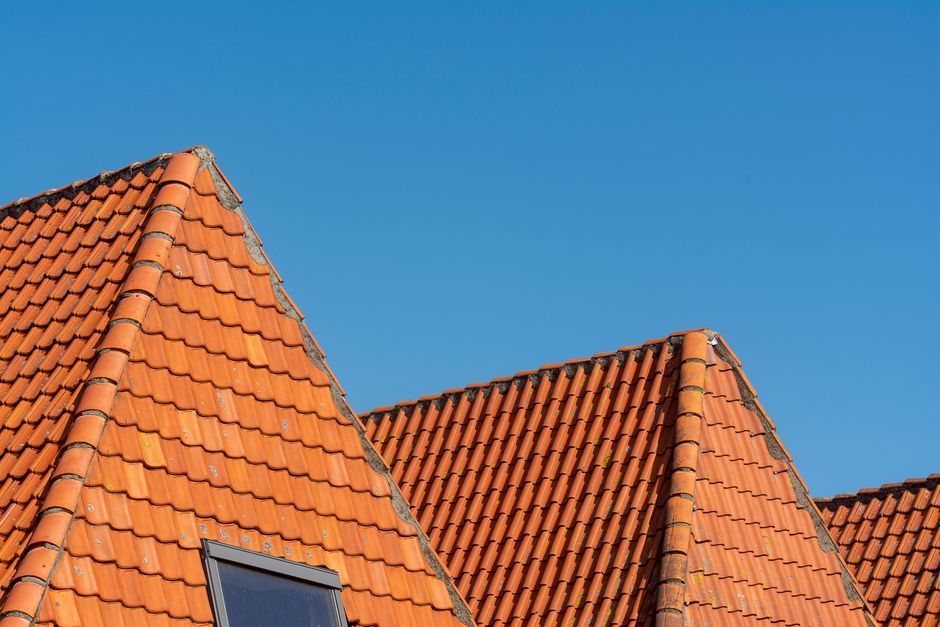
Two houses on the same street can need cleaning on completely different timescales. It comes down to sunlight, shade, the direction the roof faces, the trees around it, and the type of tile. A roof that gets sun most of the day dries out between showers and stays clearer for longer. One in permanent shade never really dries, so moss settles in and multiplies.
Hereford's setting tips things toward more frequent cleaning than a drier part of the country. The damp air off the River Wye, the green rural surroundings, and the sheer amount of rain the county gets all feed moss and algae. That's why a roof here can need attention sooner than the same roof would in the drier east of England.
2. A realistic cycle for most homes
For a typical Hereford house with a pitched tiled roof, a full clean and moss treatment every three to five years keeps things in good shape. That covers clearing the moss, treating the roof with a biocide so growth is held back, and clearing the debris out of the gutters afterwards. Between those cleans, the treated roof largely looks after itself.
The soft wash approach stretches that cycle out. Because the biocide keeps killing spores for months after the job, the roof stays cleaner far longer than a one-off scrape would manage. On the interwar semis around Belmont with their red clay tiles, that treatment is what turns a yearly moss battle into a job you only think about every few years.
3. When you'll need it more often
Some roofs simply grow moss faster and need a shorter cycle. North-facing slopes that barely see the sun, roofs shaded by tall trees, and homes in the more wooded parts of the county are the usual candidates. If your roof is tucked under mature trees around Tupsley or on a shaded plot, every two to three years may suit it better.
The tile itself matters too. Older, more porous concrete and rougher clay tiles give moss more to grip, so they green up quicker than smooth, newer tiles. If you've watched your roof turn green within a year or two of a previous clean, that's your roof telling you it's on the shorter end of the scale.
4. Gutters run on a different clock
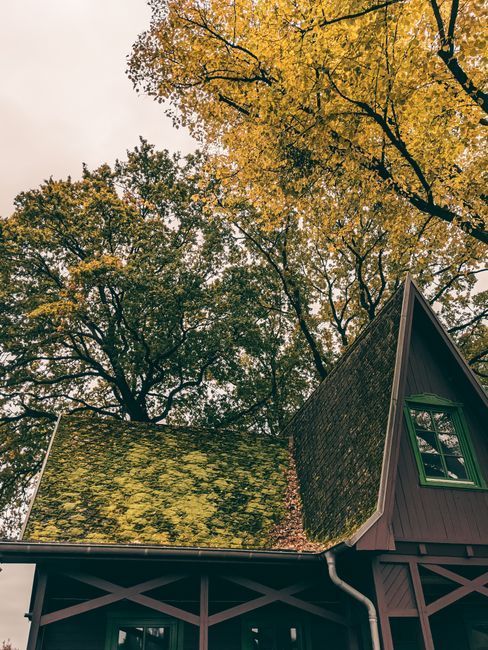
Roof cleaning and gutter cleaning aren't the same job on the same schedule. Gutters fill with leaves, moss, and grit far faster than a roof gets dirty, so they need clearing much more often, usually once or twice a year. Autumn is the key time, once the leaves have come down, with a spring check to catch anything that built up over winter.
In the leafy older suburbs of Hereford, where homes sit under big trees, gutters can need doing every autumn without fail. Leaving them is how you end up with the overflow and damp problems that cost far more to fix than a quick clear. It's the small, regular job that quietly protects the bigger, occasional one.
5. Signs your roof is asking for a clean
Rather than counting years, it's often easier to read the roof. Thick green cushions of moss along the tile edges, dark streaks running down the slope, moss debris collecting in the gutters, and clumps landing on the drive or the conservatory are all clear signals. If you can see moss lifting the edges of the tiles, it's well overdue.
A good habit is a quick look after winter. The wet, cold months are when moss does most of its growing, so spring is the moment to assess. If the roof came through looking heavily green, that's the year to book a clean rather than waiting for a set date on the calendar to roll around.
6. Why staying ahead beats catching up
Cleaning on a sensible cycle is always cheaper and kinder to the roof than letting moss run wild and then dealing with a heavy build-up. Thick moss holds water against the tiles, works into the laps, blocks gutters, and can lift and dislodge tiles over time. Clearing it regularly stops all of that before it starts.
Regular treatment also means gentler cleaning each time. A roof that's kept on top of only needs a light soft wash, while one left for a decade needs far more work to recover. Staying ahead of the moss in Hereford's damp climate protects the roof, keeps the water flowing, and saves you money across the life of the roof.
- Typical cycle: A full clean and moss treatment every three to five years suits most local roofs.
- More often: Shaded, north-facing, or tree-covered roofs may need it every two to three years.
- Gutters: Clear these once or twice a year, especially after autumn leaf fall.
- Read the roof: Heavy moss, streaks, and clumps in the gutter mean it's time.
- Stay ahead: Regular treatment keeps cleaning gentle and protects the tiles.
Frequently Asked Questions
How often should I clean my roof in Hereford?
Most local roofs do well with a full clean and moss treatment every three to five years. Shaded or tree-lined roofs in the damp Herefordshire climate may need it a little more often.
Is it bad to leave a roof uncleaned for years?
It can be. Thick moss holds water against the tiles, works into the laps, and blocks gutters, which over time can lift tiles and let damp in. Regular cleaning stops that build-up before it causes damage.
Does the direction my roof faces really matter?
Yes, quite a lot. North-facing slopes get little sun and stay damp, so they grow moss faster and need cleaning more often than a south-facing roof that dries out between showers.
How is gutter cleaning different from roof cleaning?
Gutters fill much faster than roofs get dirty, so they need clearing once or twice a year rather than every few years. Autumn, after the leaves fall, is the most important time.
How do I know when my roof is due?
Look for thick green moss on the tiles, dark streaks down the slope, and clumps of moss in the gutters or on the drive. Checking after winter, when moss grows most, is a good yearly habit.
Not sure if your roof is due a clean?
Ben's Roof Cleaning offers roof cleaning, moss removal, and gutter cleaning across Hereford and Herefordshire, with over 15 years of experience. Get in touch or call 01432 687073
for a free, no-obligation quote.
Let the roof set the schedule, not the calendar
The best answer to how often you should clean your roof is to watch it rather than count the years. Give it a look each spring, keep the gutters clear through autumn, and book a proper soft wash when the moss starts building. On a Hereford roof, that usually lands somewhere in the three to five year range, and staying with it keeps the whole thing sound for decades.