DIY Roof Cleaning in Hereford: Why It's Rarely Worth the Risk
You've seen the moss creeping across your tiles, and the quotes have come in, and now you're wondering if you could just sort it yourself with a ladder and a Saturday. It's a tempting thought. Roof cleaning looks simple enough from the ground, and there are plenty of videos making it seem like a straightforward afternoon's work.
The trouble is that a roof is one of the least forgiving places to learn a job. You're working at height, on a slippery surface, with tools that can do real damage to the tiles if you use them wrong. What starts as a money-saving idea can end with a fall, a cracked roof, or moss that comes back thicker than before. Here's an honest look at why DIY roof cleaning usually isn't worth it.
The quick answer: DIY roof cleaning is rarely worth the risk because working at height is genuinely dangerous, the wrong technique cracks tiles and voids the point of the job, and without a proper biocide treatment the moss grows straight back.
1. The height risk is the big one
Falls from height are one of the most common causes of serious injury in home DIY, and a roof is exactly where they happen. Wet moss makes tiles slick, ladders slip on damp ground, and one lost footing two storeys up can end very badly. No clean roof is worth a trip to hospital, and that's the plain truth of it.
Hereford has plenty of the taller Victorian and Edwardian homes near the centre where the eaves sit well above ground, and the older terraces around Whitecross weren't built with easy roof access in mind. Add the region's frequent damp and it's often wet up there. Professionals work with the right access equipment and training, which is what keeps the job safe.
2. It's easy to damage the roof
Even if you stay safe, the roof might not. The most common DIY mistake is reaching for a pressure washer and blasting the moss off. On the clay tiles and slate common across Hereford, high-pressure water cracks tiles, strips the weathered surface, forces water up under the laps, and blows out the mortar bedding on ridges and hips. The damage often costs more to repair than a professional clean would have.
Walking on the roof causes its own problems. Tiles and slates aren't made to be stood on, and it's very easy to crack one or knock it out of place without noticing. A cracked tile lets water in, and a slipped one leaves a gap, so a botched clean can quietly turn into a leak that shows up months later.
3. The moss just comes back
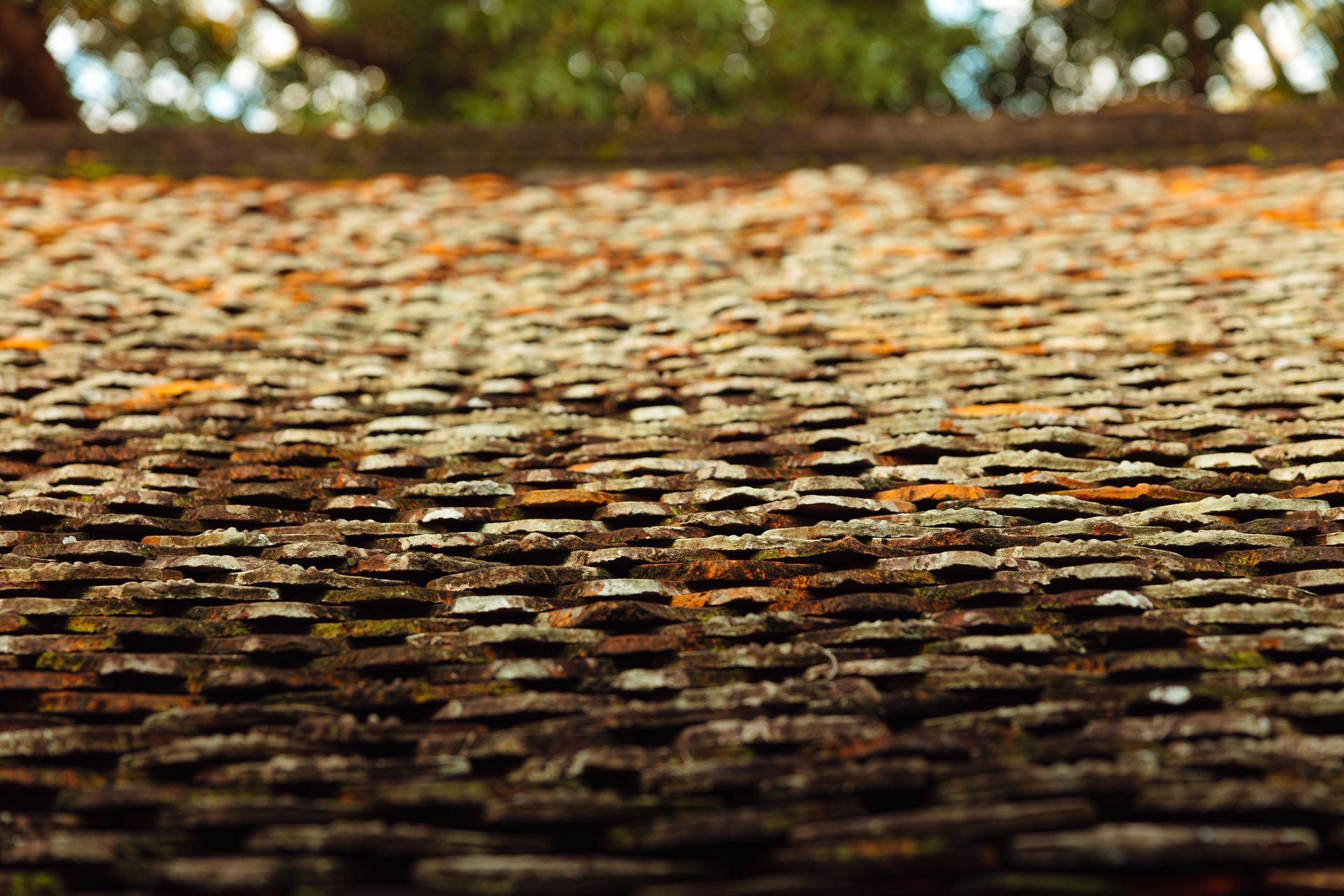
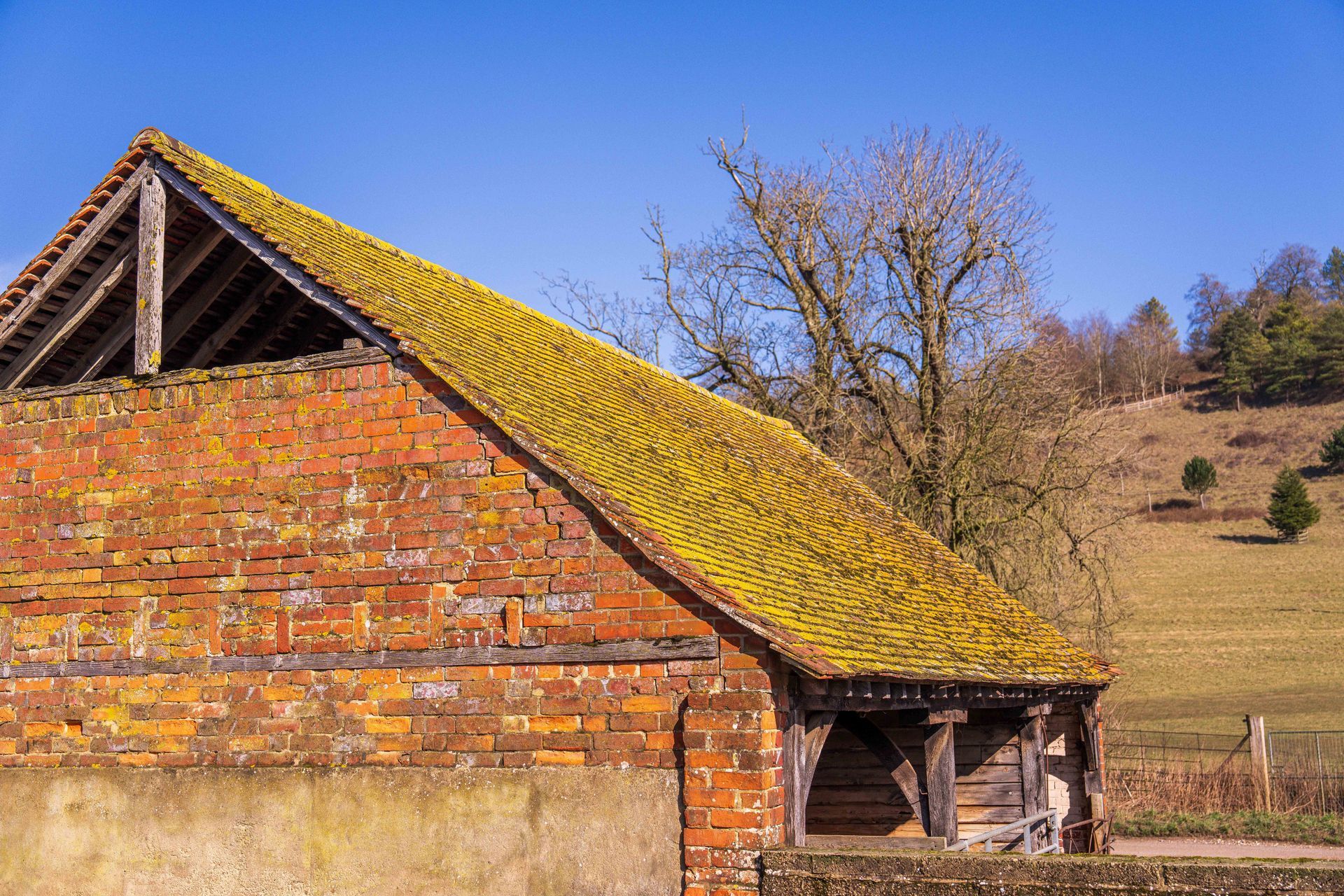
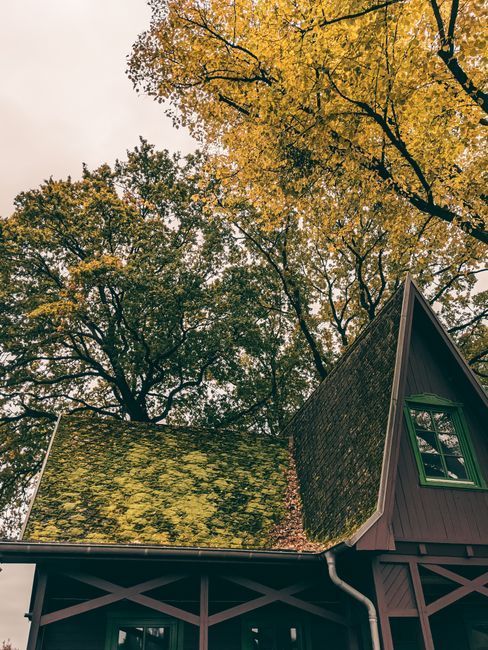
Say you manage to scrape or wash the visible moss away. Without a biocide treatment, you've only removed what you can see, not the spores and roots left behind in the surface. In Hereford's damp climate those regrow fast, and a roof that was cleared by hand in spring can look green again by the following winter.
This is the part most DIY efforts miss entirely. The whole point of a proper soft wash is the treatment that keeps killing regrowth for months afterwards. Scraping alone gives you a short-lived result and a lot of effort for it, then you're back up the ladder next year doing the risky bit all over again.
4. The kit costs more than you'd think
Doing it properly yourself isn't cheap either. To do the job safely and well, you'd need a decent ladder or tower, fall protection, a suitable low-pressure system, and the right biocide, plus a safe way to get the moss debris down and clear the gutters afterwards. Buy all that for a one-off job and the saving over a professional quote shrinks quickly.
Then there's the time. What a professional handles in a morning can take an untrained homeowner a whole weekend, moving ladders, working out the method as you go, and clearing up. When you add the cost of the gear to the value of your weekend and the risk you're taking on, the sums rarely favour DIY.
5. You miss the things a pro spots
A roof clean is also a close look at the roof, and someone experienced notices things you wouldn't. A slipped tile, a cracked one, tired flashing around the chimney, moss lifting the ridge, or a gutter starting to sag. Catching those early is often what prevents a small issue becoming an expensive leak.
With over 15 years of experience working on Hereford roofs, a professional knows what the local housing throws up, from the clay tiles on the interwar semis around Belmont to the slate on the older streets. That eye for a developing problem is part of what you're paying for, and it's something a DIY clean simply can't give you.
6. When a little DIY is fine
None of this means you can never touch your own roof. There's plenty you can safely do from the ground. Keeping an eye on the tiles with binoculars, brushing moss off a low garage roof you can reach safely, or clearing the odd bit of debris from an accessible gutter are all reasonable jobs for a careful homeowner.
The line is height and the roof surface itself. Anything that means climbing onto a pitched roof, working two storeys up, or taking a pressure washer to your tiles is where the risk outweighs the saving. For those jobs, in Hereford's often wet and slippery conditions, it's genuinely safer and usually cheaper in the long run to bring someone in.
- Safety: Falls from height are the real danger, and wet moss makes roofs slippery.
- Damage: Pressure washing and walking on tiles crack and dislodge them, causing leaks.
- Regrowth: Without a biocide treatment the moss returns within a season.
- Cost: Buying safe kit for a one-off job often wipes out the saving.
- Ground jobs: Checking tiles and clearing a low, reachable gutter are fine to do yourself.
Frequently Asked Questions
Can I just pressure wash the moss off my own roof?
It's best avoided. High-pressure water cracks clay tiles and slate, strips the surface, and forces water under the laps, which can cause leaks. A gentle, professional soft wash is much safer for the roof.
Is cleaning my own roof actually dangerous?
Yes, genuinely. Working at height on a wet, mossy roof is a leading cause of serious DIY injuries. Many Hereford homes are two storeys or more, and the damp local conditions make surfaces slippery.
Why does the moss come back after I clean it myself?
Because scraping only removes what you can see. Without a biocide treatment, the spores and roots left in the tile surface regrow quickly, especially in Hereford's damp climate, often within a year.
Will I really save money doing it myself?
Often less than you'd expect. Safe ladders, fall protection, a low-pressure system, and biocide add up fast for a one-off job, and that's before you count your time and the risk you take on.
Is there any roof cleaning I can safely do myself?
Yes, ground-level tasks are fine. Checking tiles from below, brushing a low garage roof you can reach safely, or clearing an accessible gutter are reasonable. Leave anything involving a pitched roof or height to a professional.
Rather keep both feet on the ground?
Ben's Roof Cleaning offers roof cleaning, moss removal, and gutter cleaning across Hereford and Herefordshire, with over 15 years of experience. Get in touch or call 01432 687073
for a free, no-obligation quote.
The saving isn't worth the fall
DIY has its place, and there's real satisfaction in sorting a job yourself. A roof clean just isn't the one to learn on. The height, the fragile tiles, and the moss that grows straight back turn a weekend project into a gamble with poor odds. Leave the ladder work to someone set up for it, spend your Saturday on something safer, and your Hereford roof stays clean and sound without anyone getting hurt.