What Happens During a Soft Wash, Step by Step
Your roof has gone green and patchy, and a neighbour has mentioned a soft wash. The trouble is, nobody really tells you what that means or what happens on the day, so it's hard to know if it's right for your home.
If you live in Hereford, this matters more than most places. The damp air that drifts up the River Wye keeps roofs wet for days at a time, and the older clay tiles on so many homes here hold onto that moisture. A soft wash is built for exactly this kind of roof, and once you see how it works, the whole thing makes a lot more sense.
The quick answer: A soft wash cleans your roof using low-pressure water and a biocide treatment that kills moss, algae and lichen at the root, rather than blasting it off with high pressure that can crack tiles and strip surfaces.
1. The survey and safe access
Before any water touches your roof, a good cleaner walks the site and looks at what they're dealing with. They check the pitch, the tile type, the state of the pointing and how thick the moss has grown. On a steep Victorian roof in Tupsley or a low-pitched extension in Belmont, that first look shapes the whole job.
Access comes next. Ladders get footed properly, and on taller three-storey homes near the city centre a cleaner may work from a tower or use extending poles from the ground. This part is quiet and unglamorous, but skipping it is where most accidents and half-finished jobs come from.
2. Clearing the loose moss by hand
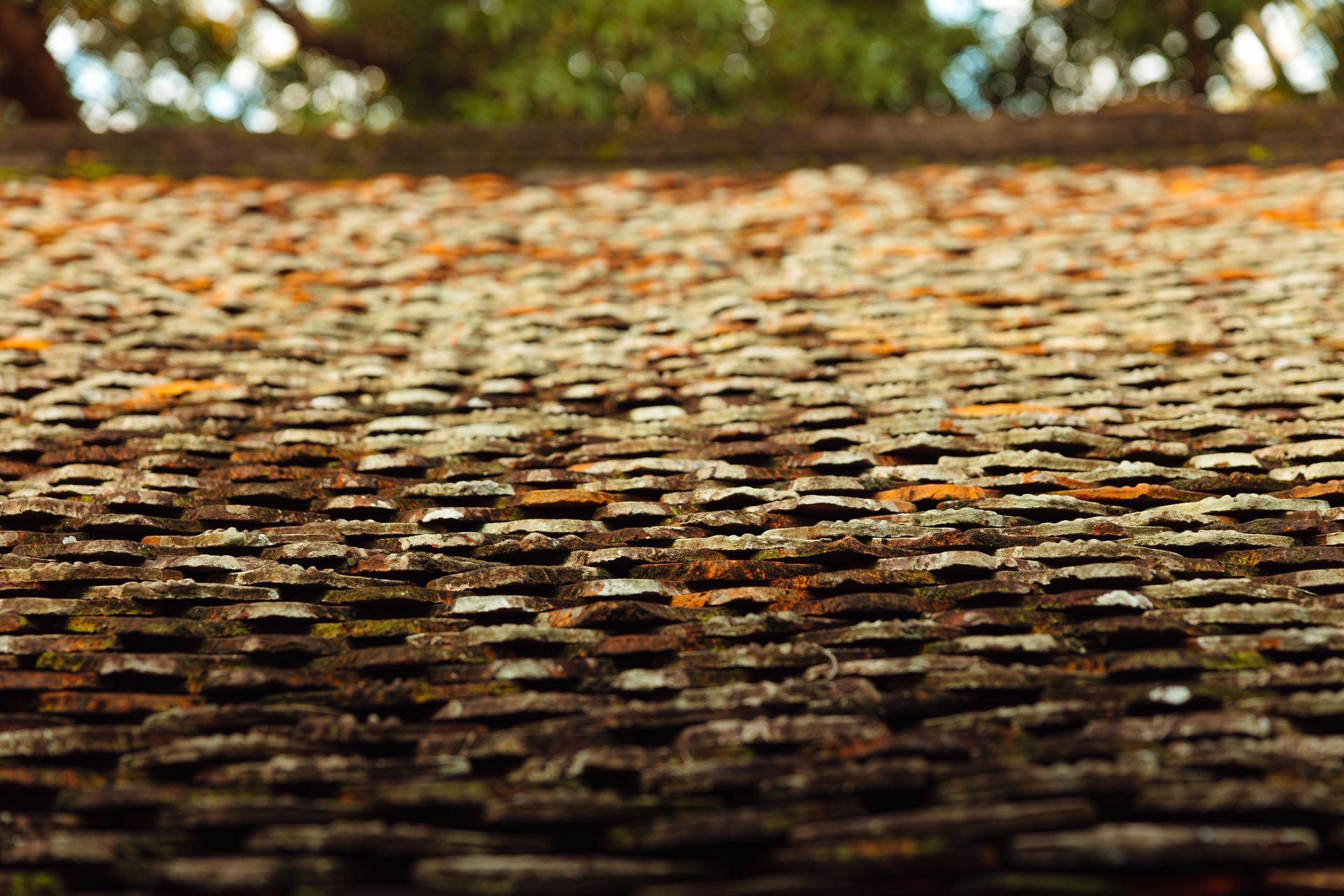
Thick moss doesn't just wash away, so the first real task is scraping and brushing off the heavy growth. This is done gently, working down the roof so nothing gets forced under the tiles. On many Hereford homes the moss sits inches deep along the north-facing slopes that never see much sun.
All that loose material has to go somewhere. It gets swept from the roof, cleared out of the valleys and taken away, along with anything that has dropped into the gutters below. A clean start like this lets the treatment reach the tile surface properly.
3. Protecting the plants and clearing the gutters
Roofs don't sit in isolation. Below them you've got borders, shrubs, patios and often a conservatory. A careful cleaner wets down or sheets any planting near the downpipes so the runoff doesn't harm it, which matters in the leafy gardens you find around Bartonsham and the older parts of the city.
The gutters get cleared at this stage too. There's no point cleaning a roof and leaving the guttering packed with moss and grit, because the next heavy rain would just wash debris straight back down. Clearing them now means the water coming off the roof has somewhere to go.
4. The low-pressure wash
Now the actual washing begins, and this is where soft washing earns its name. Instead of a jet that could shatter a brittle clay tile, the cleaner uses a wide, gentle flow that rinses the surface without driving water under the laps. It lifts the grime and the last of the algae without stressing the roof.
This gentleness is the whole point on Hereford's period stock. Plenty of homes here wear original clay tiles or Welsh slate that's been up for a century, and those surfaces have no spare life to lose to a pressure washer. Low pressure gets them clean and keeps them intact.
5. Applying the biocide treatment
Once the roof is rinsed, a biocide solution goes on. This is the part that does the long-term work. It soaks into the tile and kills off the spores and roots you can't see, the ones that would otherwise regrow within a season in our damp valley climate.
The treatment is left on rather than washed off. Over the following weeks it keeps working, and any faint staining left behind fades as the weather rinses it naturally. That slow finish is normal and is a sign the product is doing its job.
6. The final check and tidy up
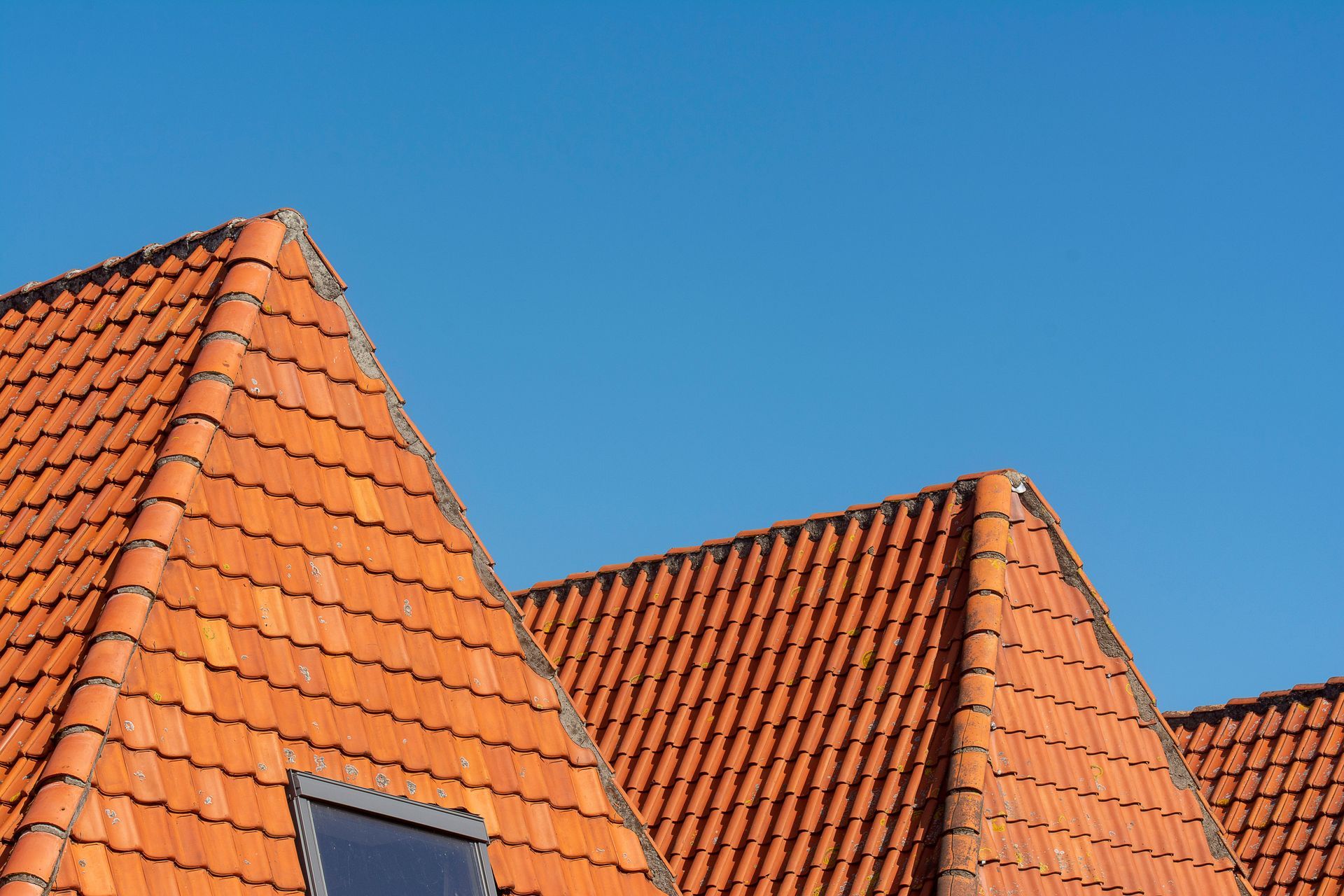
With the treatment down, the cleaner walks the job again. They look along the ridge, into the valleys and around the flashing to make sure nothing has been missed and no tile has slipped during the work. Loose or cracked tiles spotted here can be flagged to you before they become a leak.
Then comes the tidy up, which honest firms take seriously. Paths get rinsed, moss is bagged and cleared, and your garden is left as it was found. A soft wash should leave you with a clean roof and no mess to deal with afterwards.
- Low pressure: gentle water flow protects fragile clay tile and slate common on older Hereford homes.
- Biocide treatment: kills moss and algae at the root so regrowth is far slower.
- Whole-roof approach: gutters and valleys are cleared as part of the same visit.
- Plant protection: borders and shrubs near downpipes are shielded from runoff.
- Final inspection: slipped or cracked tiles get spotted before they cause a leak.
Frequently Asked Questions
How long does a soft wash take?
Most homes are done in a day. A larger or heavily mossed roof, like the steep terraces around Whitecross, can run a little longer, but the treatment carries on working for weeks after the crew leaves.
Will the roof look perfect straight away?
Not always, and that's fine. The heavy moss comes off on the day, but some staining fades gradually as the biocide keeps working and the rain rinses it clean over the following weeks.
Is soft washing safe for old clay tiles?
Yes, and that's the whole reason it exists. The low pressure cleans the surface without the force that cracks brittle tiles or strips slate, which suits the period roofs found right across Hereford.
How often will I need it done?
With a biocide treatment in place, many roofs stay clear for several years. In our damp climate, a light maintenance visit every few years keeps moss from taking hold again.
Does the runoff harm my garden?
A careful cleaner protects your planting and manages where the water goes, so borders and lawns are looked after throughout the job.
Thinking about a soft wash for your roof?
Ben's Roof Cleaning carries out soft washing, moss removal and gutter cleaning across Hereford and Herefordshire, with over 15 years of experience. Get in touch or call 01432 687073
for a free, no-obligation quote.
A gentle clean that lasts through Hereford's damp winters
A soft wash isn't a quick blast and a wave goodbye. It's a careful, step-by-step process that gets your roof genuinely clean and keeps it that way, which counts for a lot when you live somewhere as green and damp as Herefordshire. Once you understand each stage, it's easy to see why it beats the high-pressure alternative on the older roofs so many of us live under.